What Automotive Facilities Engineering Actually Covers (And Why Michigan OEMs Need It in 2026)
Automotive facilities engineering covers the physical infrastructure of a plant, not the vehicles built inside it. This distinction matters in 2026, when Detroit-area OEMs and Tier 1 suppliers are under pressure to retrofit and expand facilities faster than ever. A facilities engineer focuses on the building systems, utilities, and production-floor layouts that keep manufacturing lines running safely and efficiently.

What Automotive Facilities Engineering Actually Covers
Automotive facilities engineering addresses the infrastructure that surrounds and supports production, not the product itself. It sits in a separate category from manufacturing engineering (which focuses on the assembly process) and product engineering (which focuses on vehicle design).
The scope typically includes several interconnected disciplines:
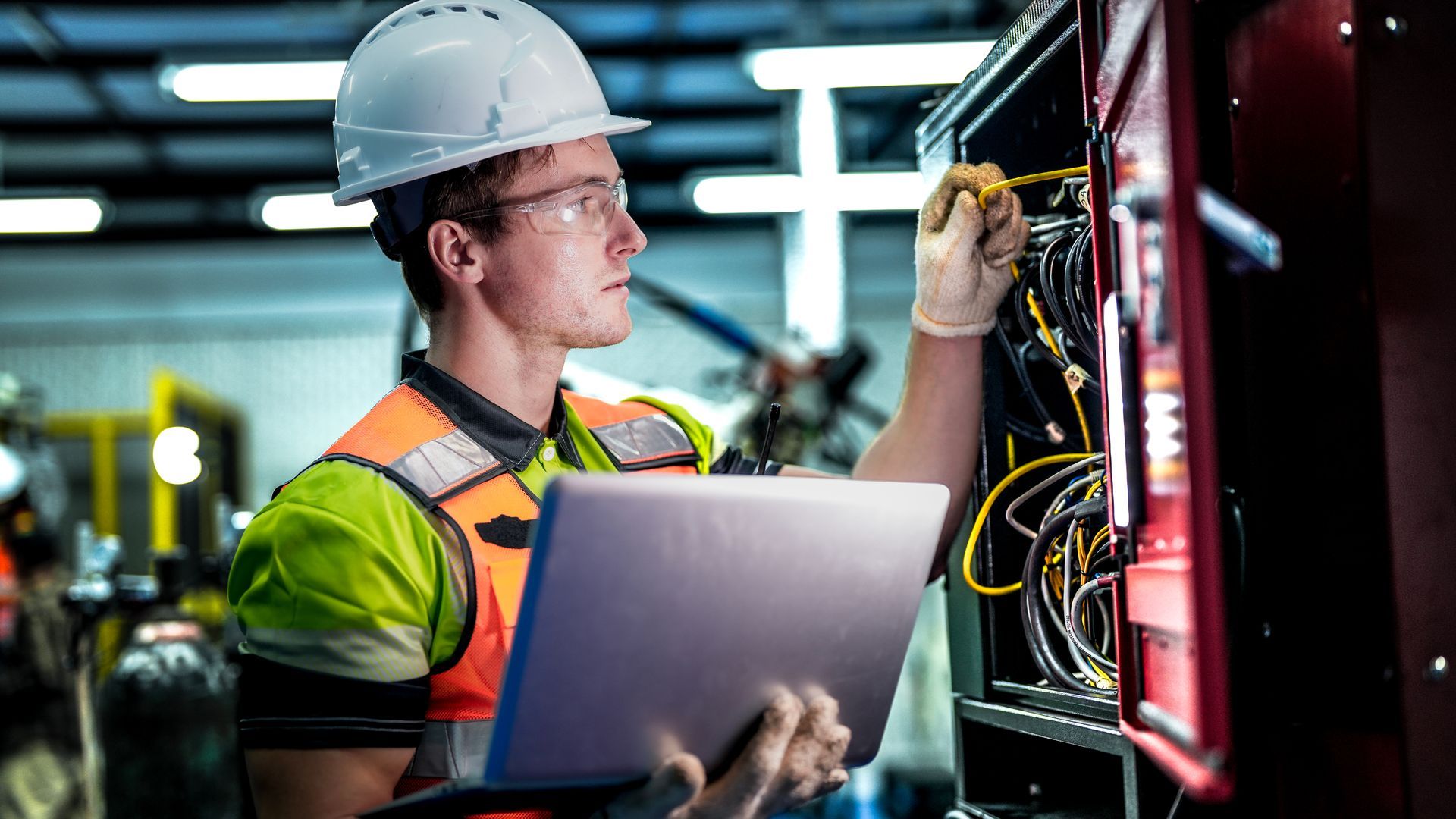
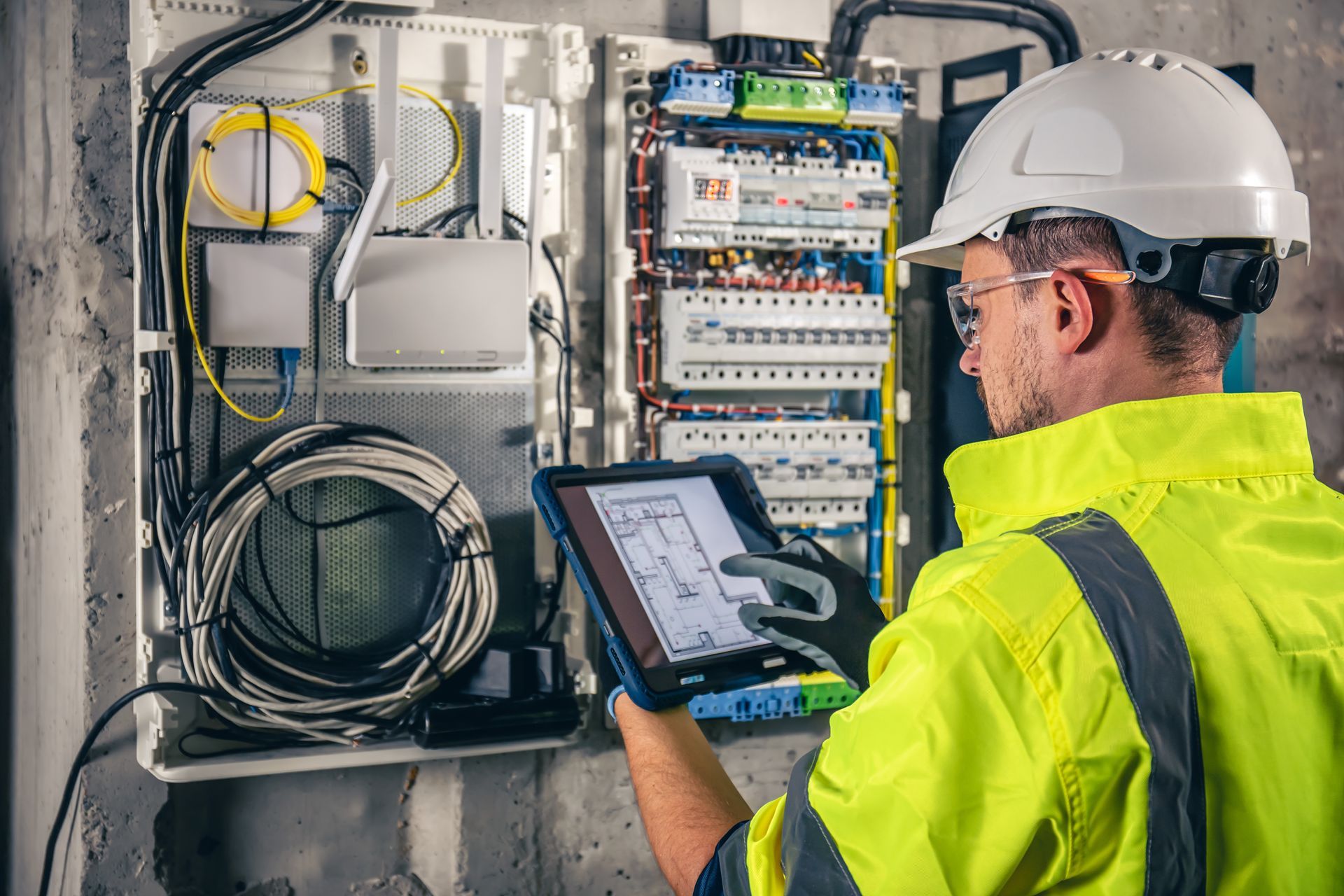
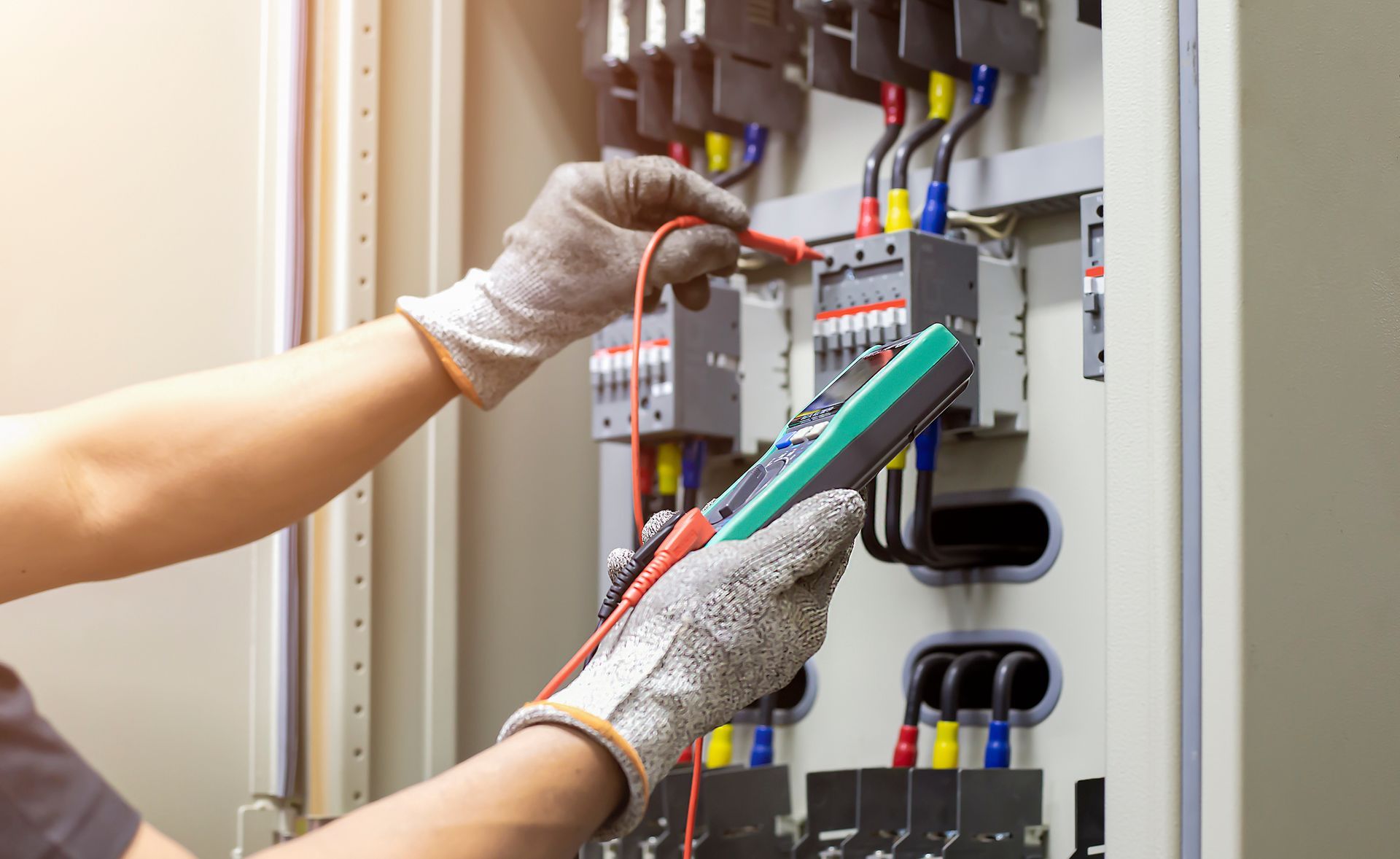
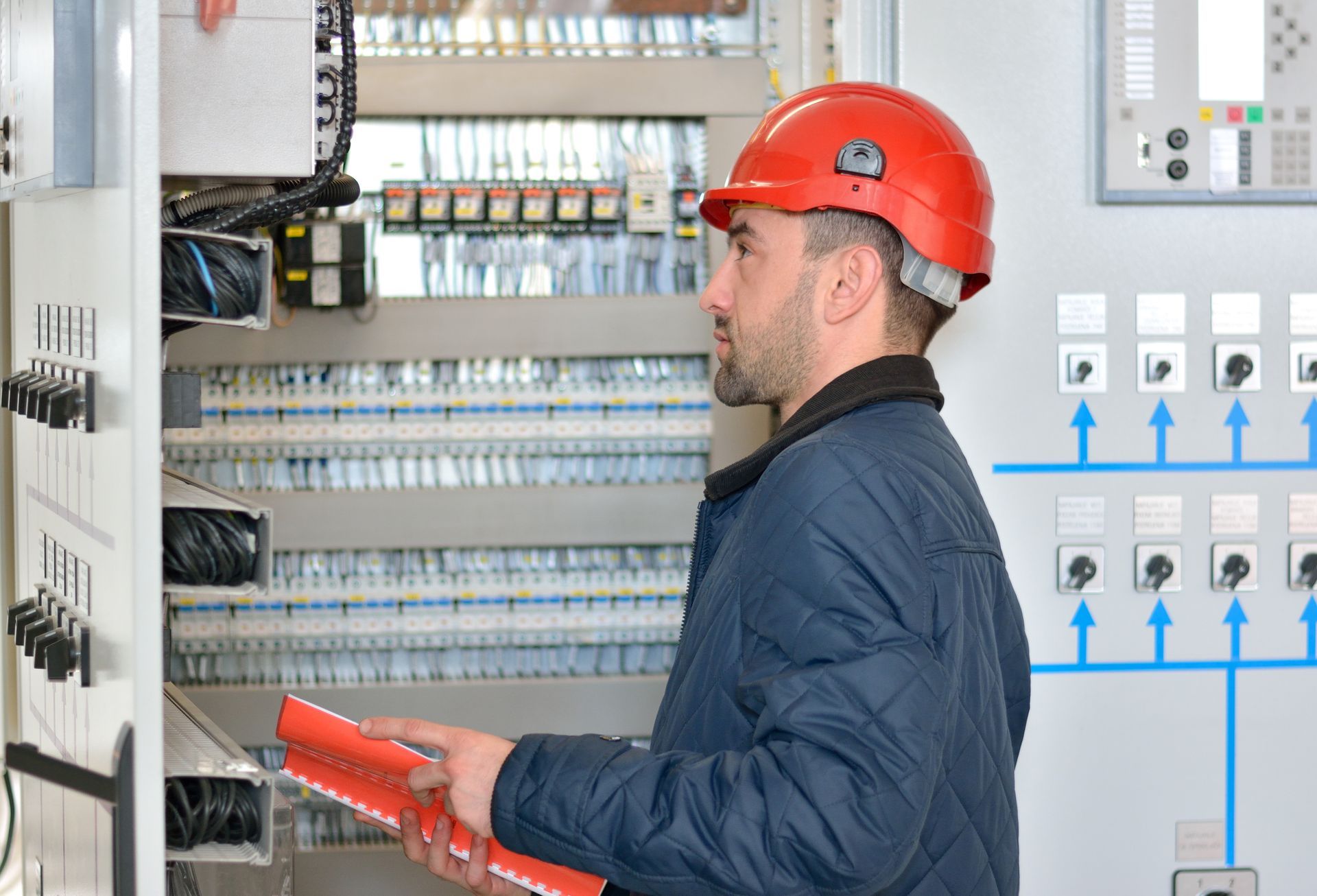
- Electrical power distribution systems across assembly floors and support buildings.
- Mechanical systems such as HVAC, compressed air, and process piping.
- Instrumentation and controls for utility and building systems.
- Production floor layout and utility drops tied to tooling relocations.
- Retrofit and upgrade projects at existing plants, including systems that must stay operational during construction.
In a region like Detroit, MI, where plants often date back decades, retrofit work is especially common. Facilities built for internal combustion engine production may need substantial electrical and mechanical upgrades to support new EV or battery assembly lines.
Why Michigan OEMs Need Automotive Facilities Engineering in 2026
Michigan's automotive sector drives urgent demand for qualified facilities engineering support. Twenty-six OEMs have headquarters or technology centers in Michigan. Ninety-eight of the top 100 automotive suppliers to North America have a presence in Michigan, and 65 are headquartered here. That density means facilities engineering projects are happening across Southeast Michigan simultaneously.
Brownfield and greenfield investments are occurring side by side, creating mixed plant ages and mixed performance baselines. Engineering firms must often plan upgrades in facilities ranging from newly built to more than 50 years old, sometimes within the same campus.
When Should a Detroit-Area Plant Engage a Facilities Engineering Firm?
Consider bringing one in when:
- A production line relocation requires new electrical drops or mechanical utility connections.
- An HVAC system serving a critical assembly area is approaching end of service life.
- A facility is transitioning from ICE to EV production and needs updated power infrastructure.
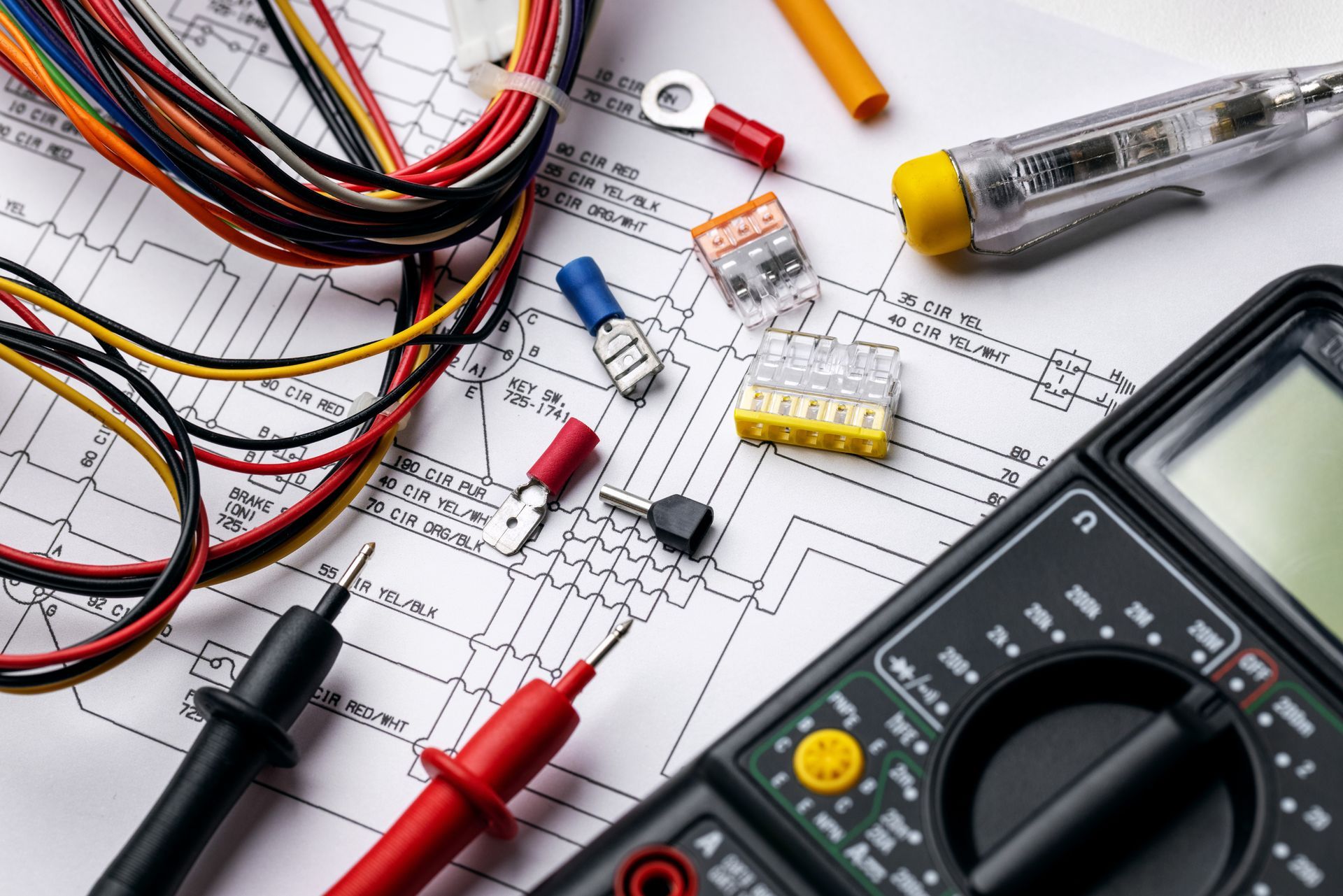
- CAD documentation for existing systems is outdated or missing entirely.
- Planned capital projects require engineering drawings that meet client or OEM standards.
How Is Automotive Facilities Engineering Different From Manufacturing Engineering?
Automotive facilities engineering focuses on the building and its infrastructure, while manufacturing engineering focuses on the production process. A manufacturing engineer designs or improves the assembly sequence. A facilities engineer designs or upgrades the electrical power, mechanical utilities, HVAC, and control systems that allow that assembly to take place.
Ready to Talk to a Facilities Engineering Team Serving Detroit, MI?
CDA Engineering has been serving the Metro Detroit area since 1970, providing electrical, mechanical, instrumentation, and controls engineering for industrial and automotive facilities. The team specializes in retrofit and upgrade work at existing facilities, which is exactly the type of project most Southeast Michigan plants need right now.
To discuss your facility's needs, contact the team directly. You can also call (248) 589-3300 to speak with an engineer about your project.